We’re here to help people with HIV take control of their health by providing up-to-date information as well as a range of programs and services.
Information
Newly Diagnosed With HIV
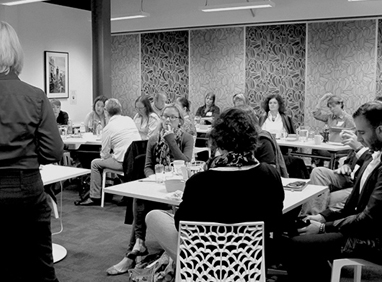
a[START] RESTART is a peer-led program for people living with HIV who would like to learn more about HIV, build confidence, and connect with others in a supportive environment.
The program is facilitated by peers who are also living with HIV and understand the experiences, challenges, and questions that can come with an HIV diagnosis.
a[START] RESTART provides participants with practical information, support, and opportunities to connect with others while exploring a range of topics related to living well with HIV. The program aims to build confidence, reduce isolation, strengthen community connections, and empower participants to take charge of their health and wellbeing.
The program provides a safe, confidential, and welcoming space where participants can share experiences, learn from others, and build meaningful connections within the HIV community.
a[START] RESTART gives participants the opportunity to:
- Learn about HIV, including CD4 count, viral load, and current treatment options
- Explore the impact of HIV on health, relationships, and everyday life
- Discuss stigma, disclosure, HIV and the law in a supportive environment
- Build self-esteem, confidence, and personal resilience
- Develop practical skills for managing health and wellbeing
- Connect with peers who understand the experience of living with HIV
- Learn about available support services and community resources
The program is delivered across three interactive sessions covering:
- Social: Stigma, disclosure, HIV and the law
- Medical: HIV, treatment, sexual health, and self-care
- Practical: Self-esteem, strengths, confidence, and support networks
a[START] RESTART is a collaboration between ACON and Positive Life NSW.
——
a[STARTx] Resource
The a[STARTx] Resource has been written by queer men living with HIV to help other men newly diagnosed with HIV make sense of their diagnosis. It provides clear and concise information to support people through the initial stages of living with HIV.
The resource covers topics including treatment, disclosure, and building a relationship with a healthcare provider, and includes links to support services across NSW.
Check out the a[STARTx] Resource here.
To order copies of the a[STARTx] Resource, please contact our Sydney office on (02) 9206 2086 or email astart@acon.org.au.
HIV Treatment

HIV medications or HIV antiretrovirals (ARVs) are commonly referred to as treatments.
Australia’s high quality HIV services and health system allow people living with HIV to be very well supported in terms of treatment and care.
Effective HIV combination therapy prevents the virus from multiplying in the body. Most people on treatment can achieve an undetectable viral load (UVL), which provides great health benefits and stops onward transmission.
Treatments prevent and reduce long term health concerns related to HIV. Modern treatments today are easier to take, often one tablet a day, with far fewer side effects. New forms of treatments such as long-acting injectables are also becoming available.
The evidence supports starting treatment immediately because the health benefits of modern HIV treatments easily outweigh any side effects.
Treatments work best when they are taken as prescribed, this is often referred to as adherence. Taking your medication as part of a routine, at a similar time each day, can be a good way of remembering to take treatments. You should ask your doctor about the best ways to take your treatment and follow their advice.
Regardless of your Medicare status, you can now access HIV treatment without cost. If you have Medicare, you can continue to access your HIV treatments through the HIV s100 co-payment process, or if you don’t have Medicare, you’ll be able to access HIV treatment through the NSW public hospital system.
All people living with HIV in NSW can get their treatments dispensed from public hospitals and hospital-attached pharmacies without cost. It’s also possible to get treatment from GPs, community-based pharmacies, and local chemists – however, if you don’t have access to Medicare, there may be a cost for some of these services.
For more information, visit the HIV treatments page on our Ending HIV website.
HIV Disclosure
Disclosing your HIV status to other people can seem difficult, but there are things you can do to make it easier. Speaking to other people with HIV about their experiences of disclosure can be very helpful. You might talk about disclosure in relation to sex, relationships, friends, family, or the workplace.
It is helpful to meet other people living with HIV who have lived experience of disclosure, as they may help you to better understand the process of disclosing to friends, family, and partners. ACON’s It’s Time To Think Positive About HIV resource provides useful guidance about developing allyship within community.
The Disclosure Project is another useful resource on HIV disclosure. The Disclosure Project is a web-based resource enabling people to share personal stories of HIV disclosure to help and support others planning to disclose.
Disclosure and the law
With respects to HIV disclosure and the law, the NSW Parliament passed the Public Health Amendment (Review) Bill 2017 which made amendments to section 79 (s79) of the Public Health Act 2010. The amendments came into force on 18 October 2017. A person with a sexually transmissible disease or condition is no longer required by law to disclose that they have the condition prior to sexual intercourse.
The HIV/AIDS Legal Centre has published some useful information about HIV disclosure and the law.
HIV Stigma & Discrimination

What is HIV Stigma?
HIV stigma is a complex issue that manifests in many ways. It can stem from fear combined with a lack of understanding, empathy, or knowledge of HIV.
In some ways, you can compare HIV stigma to the way homophobic people treat people who are gay, lesbian or bisexual. Simply, stigma can be defined as any act that treats people living with HIV (PLHIV) as less than because of their HIV positive status.
Stigma doesn’t just affect PLHIV, it can also impact their partners, friends, families, and the broader community.
HIV Stigma for People Living with HIV
HIV stigma affects PLHIV in more ways than one.
HIV stigma can be perceived or it can be based on past and current experiences. One example of HIV stigma is the use of words like “clean only” on hook-up profiles.
Perceptions of HIV stigma can also lead to stigma being anticipated, meaning it is expected to occur, whether it is grounded in truth or not. This can lead to feelings of anxiousness or isolation.
At its worse, HIV stigma can become internalised, whereby a person might start to believe some of these stigmatising messages about themselves.
HIV Stigma in the Community
HIV stigma can show up in a variety of ways within the community.
It can be a cruelly worded rejection on Grindr as the result of someone living with HIV disclosing their status. It may be a joke among friends at a party at the expense of people living with HIV, or it can be prejudging someone’s character for having acquired HIV.
Some people also have trouble overcoming fears about HIV. As an example, the proven science showing that someone living with HIV who is on effective HIV treatment and cannot transmit HIV to a sexual partner might be impossible for some to accept.
Be an Ally
For people who are HIV negative, there is a lot that can be done to make a change.
Demonstrating allyship to people living with HIV is powerful and acting as an ally reduces HIV stigma. You can display allyship in many different relationships and settings, such as when hooking up, in friendships and relationships, in the community, and in our families.
When your friend or brother reveals their HIV positive status, respect their disclosure, and show your support. When you hear someone make a discriminatory comment about HIV, call it out and help educate them.
A Practical Guide to Being a Better HIV Ally
Inspired to make a change? For practical guidance and useful strategies to being an ally to people in your life living with HIV, read or download our guide It’s Time to Think Positive About HIV – A Practical Guide to Being a Better HIV Ally.
HIV & General Health

People with HIV have a range of health-related matters to consider.
These include:
- Having a good relationship with a doctor who you feel comfortable with.
- Knowing which HIV treatments are available and knowing which ones are right for you.
- Taking preventative actions like quitting smoking, drinking less, having a healthy diet and getting exercise.
Oral Health
Some people living with HIV may experience a greater frequency of certain oral conditions like gingivitis and periodontitis. Others may experience taste change or dry mouth, or they may find more grinding of their teeth.
Many people living with HIV feel more comfortable seeing a dentist who has a history of working with people with HIV.
Find out more about HIV and oral health on the Positive Life NSW website.
Smoking
Smoking is particularly prevalent among people with HIV, who smoke up to three times the rate than the general population.
People living with HIV who smoke are at greater risk of many types of cancers compared to their non-smoking positive peers. Quitting smoking is one of the best things you can do to improve your health if you smoke even a small number of cigarettes.
Smoking also increases risk across a range of conditions like heart disease, pneumonia and oral conditions like thrush.
Visit ACON’s Can We website to find out more about smoking cessation or the NSW health website for more information about services that may help you quit smoking.
HIV & Ageing

People with HIV who commence treatment early and who maintain effective control of their HIV viral load have a life expectancy no different from the general population. This has been clearly demonstrated in large studies of people in high income countries with access to best practice HIV clinical care.
For those in our communities who were living with HIV before effective HIV treatments, HIV may have damaged their immune system or contributed to premature ageing of the immune system. Some who are living longer term with HIV may be at risk of disease at an earlier age or at slightly increased rates compared to the general population.
Potential health concerns may include cardiovascular disease, cancer, chronic kidney disease, diabetes, osteoporosis, frailty, and neurocognitive deficits.
To counteract these risks, it is recommended to adopt regular exercise, eating well, and maintaining a healthy body weight, not smoking and moderate drinking.
Find out more about HIV and ageing via the LOVE Project website
Connect With Other People Living With HIV
Connecting with other people living with HIV can be a valuable source of support.
In addition to the workshops and services offered by ACON, organisations like Positive Life NSW and the Bobby Goldsmith Foundation provide other options for face-to-face support. The Institute of Many (TIM) is a community of people living with HIV who may provide support online. There are also national networks organised by NAPWHA; these networks are for positive people from diverse backgrounds to meet other positive people who share the same identity.
Providing Inclusive HIV Care for Overseas‑Born Gay, Bisexual, and Other Men Who Have Sex with Men

This practice guide supports clinicians to provide inclusive, person‑centred HIV care for overseas‑born gay, bisexual, and other men who have sex with men.
Drawing on community consultation and clinical experience, it addresses common barriers such as language, migration concerns, confidentiality fears, and misunderstandings about HIV treatment and U=U.
The guide offers practical, evidence‑informed recommendations and conversation prompts to help clinicians deliver diagnoses sensitively, improve engagement and retention in care, and support better health outcomes for a population that continues to experience inequities in HIV care.
Download the full Practice Guide as a PDF here:
Download the Summary Flowchart poster as a PDF here:
Services
Newly Diagnosed With HIV Services
a[START] RESTART is a peer-led program for people living with HIV who would like to learn more about HIV, build confidence, and connect with others in a supportive environment.
The program is facilitated by peers who are also living with HIV and understand the experiences, challenges, and questions that can come with an HIV diagnosis.
a[START] RESTART provides participants with practical information, support, and opportunities to connect with others while exploring a range of topics related to living well with HIV. The program aims to build confidence, reduce isolation, strengthen community connections, and empower participants to take charge of their health and wellbeing.
The program provides a safe, confidential, and welcoming space where participants can share experiences, learn from others, and build meaningful connections within the HIV community.
For more information, please contact our Sydney office on (02) 9206 2086 or email astart@acon.org.au.
——-
One-On-One Peer Support
One-on-one peer support connects people living with HIV with others who have lived experience of HIV.
Peer support is available for people who would like to speak with someone who understands firsthand the experience of receiving a diagnosis and living with HIV.
This is not a counselling service, but an opportunity to receive support and guidance from an experienced peer.
To find out more or to speak with a peer, please email astart@acon.org.au.
a[START] RESTART – Workshop for gay and bi men living with HIV
You may know a[STARTx] as a workshop for gay and bi men living with HIV. We’re moving to a new format: a[START] RESTART, delivered across three shorter Friday evening sessions.
a[START] RESTART is a peer-led program for people living with HIV who would like to learn more about HIV, build confidence, and connect with others in a supportive environment.
The program is facilitated by peers who are also living with HIV and understand the experiences, challenges, and questions that can come with an HIV diagnosis.
a[START] RESTART provides participants with practical information, support, and opportunities to connect with others while exploring a range of topics related to living well with HIV. The program aims to build confidence, reduce isolation, strengthen community connections, and empower participants to take charge of their health and wellbeing.
The program provides a safe, confidential, and welcoming space where participants can share experiences, learn from others, and build meaningful connections within the HIV community.
a[START] RESTART gives participants the opportunity to:
- Learn about HIV, including CD4 count, viral load, and current treatment options
- Explore the impact of HIV on health, relationships, and everyday life
- Discuss stigma, disclosure, HIV and the law in a supportive environment
- Build self-esteem, confidence, and personal resilience
- Develop practical skills for managing health and wellbeing
- Connect with peers who understand the experience of living with HIV
- Learn about available support services and community resources
The program is delivered across three interactive sessions covering:
- Social: Stigma, disclosure, HIV and the law
- Medical: HIV, treatment, sexual health, and self-care
- Practical: Self-esteem, strengths, confidence, and support networks
a[START] RESTART is a collaboration between ACON and Positive Life NSW.
Testimonials:
“Having been to a Genesis [workshop] at ACON, I’d highly recommend it to anyone unsure about it. They provide a safe and comfortable environment to ask questions and learn more about HIV while connecting with other men in similar situations. The peer support format is probably how I got the most out of it, especially helping me come to the realisation of ‘I’m not alone on this journey.’”
“I completed the Genesis program last year, two months after my diagnosis. I went into the weekend feeling isolated and quite hesitant, not knowing anyone else living with HIV. I left feeling not only educated, but incredibly supported and welcomed by the team at ACON.”
“It took me a while to pluck up the courage to attend this workshop. I wish I had done it sooner; it has made such a change to my life.”
Upcoming a[START] RESTART Program
- Session 1 (Social): Friday 13 November 2026, 6:00 PM – 9:00 PM
- Session 2 (Medical): Friday 20 November 2026, 6:00 PM – 9:00 PM
- Session 3 (Practical): Friday 27 November 2026, 6:00 PM – 9:00 PM
Where: ACON Sydney, 414 Elizabeth Street, Surry Hills NSW 2010
For more information, please contact our Sydney office 02 9206 2000 or email: astart@acon.org.au.
Counselling
Our Counselling provides a safe space to explore mental health, relationships, identity, sexuality, and life challenges, with a strong understanding of the unique experiences of LGBTQ+ communities. Support is trauma-informed, focused on empowering individuals to navigate change, build resilience, and strengthen wellbeing.
- Up to 12 x 50-minute sessions
- Counselling can be accessed anywhere in NSW via phone/telehealth or at one of ACON’s office in Sydney, Newcastle and Lismore

Care Coordination
Our care coordination service is practical, down-to-earth support focused on what matters most in your life. We help you find your way through services and get the support that’s right for you.
We can help you to:
- Find and access services like housing, Centrelink, legal support, NDIS, financial services and/or healthcare
- Feel more connected by linking you with the right supports and community
- Get support if you’re experiencing sexual, domestic or family violence
- Connect with HIV and sexual health services
- Look after your mental health and general wellbeing
Our care coordination model is:
- 3-6 months
- Goal focused
We’ll work alongside you to set goals, explore your options, and take the next steps.
One-On-One Peer Support
One-on-one peer support connects people living with HIV with others who have lived experience of HIV.
Peer support is available for people who would like to speak with someone who understands firsthand the experience of receiving a diagnosis and living with HIV.
This is not a counselling service, but an opportunity to receive support and guidance from an experienced peer.
To find out more or to speak with a peer, please email astart@acon.org.au.
Ageing Support – Community Support Network

For more than 30 years our Community Support Network (CSN) program has supported the quality of life, independence, and choices of people living with HIV in New South Wales.
CSN provides FREE practical assistance to help people living with HIV live as independently as possible in their own homes.
This program is available to people whose ability to live independently has been affected by HIV.
CSN has trained volunteers that offer services around
- basic cleaning
- gardening
- grocery shopping
- doing the laundry
- meal preparation
- transport to and from medical appointments
If you are interested or would like to refer someone to ACON’s CSN program, please complete the Online Intake Form or email hbcare@acon.org.au or visit your nearest ACON office.
This service is proudly funded by the NSW Ministry of Health.
How to get involved with ACON’s Ageing Support Services:
Recipients:
If you are interested or would like to refer someone to ACON’s ACVVS or CSN program, please complete the Online Intake Form or email hbcare@acon.org.au or visit your nearest ACON office.
A Client Service Officer from the Ageing Support Services team will undertake an intake assessment and discuss your eligibility and suitability for the programs.
Potential volunteers:
If you would like to volunteer for ACON’s ACVVS or CSN program, please complete the form at Volunteer at ACON (aconhealth.org.au) or email hbcare@acon.org.au for any queries.
Meal Service
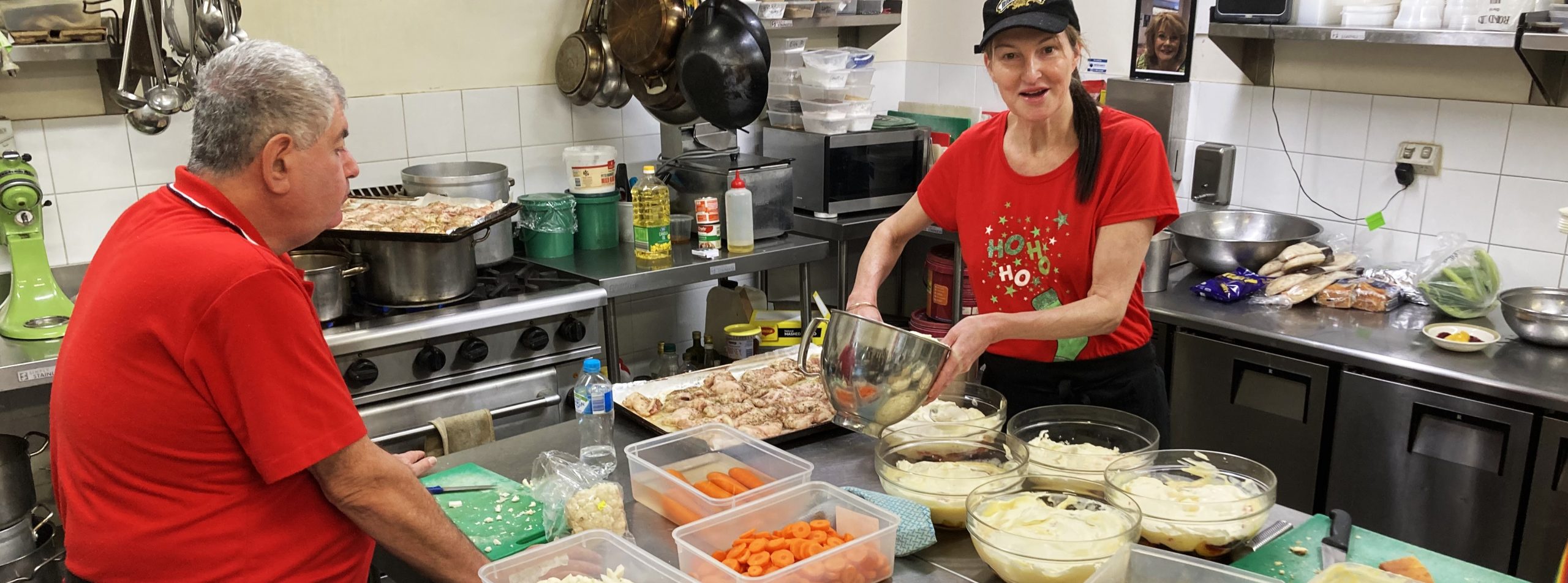
ACON offers a FREE lunch service every Friday for people who are living with HIV.
The meal service offers a friendly space where people can catch up and have a bite to eat while connecting with staff for referrals and/or advice for any questions relating to HIV.
Anyone arriving to the service for the first time should speak to a staff member about signing up for the service.
Where: ACON Café, 414-418 Elizabeth St, Surry Hills, Sydney
When: Every Friday – Doors Open at 11:30am, meal served at 12 midday
General Support & Services
HIV Prevention
We’re here to help end HIV transmission among gay and same sex attracted men. To find out more please visit our HIV Prevention section.
Alcohol & Drugs
We provide a range of resources and support services to help people with HIV who use alcohol and other drugs. To find out more please visit our Alcohol & Drugs section.
Safety & Inclusion
We provide a range of resources and support services to help people with HIV who are experiencing homophobic and transphobic violence and discrimination. To find out more please visit our Safety & Inclusion section.
Domestic & Family Violence
We provide a range of resources and support services to help people with HIV who are experiencing domestic and family violence. To find out more please visit our Domestic & Family Violence section.
Ageing
We provide a range of resources and support services for older people with HIV (50+). To find out more please visit our Ageing section.